TECHNICAL RESOURCE HUB
Hydraulic Cylinder Knowledge for Selection, Design Review and Maintenance
Use this center to connect general hydraulic-cylinder engineering principles with the actual equipment categories in our product catalog. The purpose is to help OEM buyers, distributors and service teams prepare clearer technical inputs before product selection or quotation.
Product pages provide the available parameter ranges and application details. Final selection should still be confirmed against the machine model, required force, installation geometry, pressure, cycle time and operating environment.
KNOWLEDGE BY EQUIPMENT CATEGORY
Find the Right Technical Focus for Your Application
Cylinder selection changes with machine function, load path, cycle frequency, installation space and exposure conditions. Start with the equipment category below.

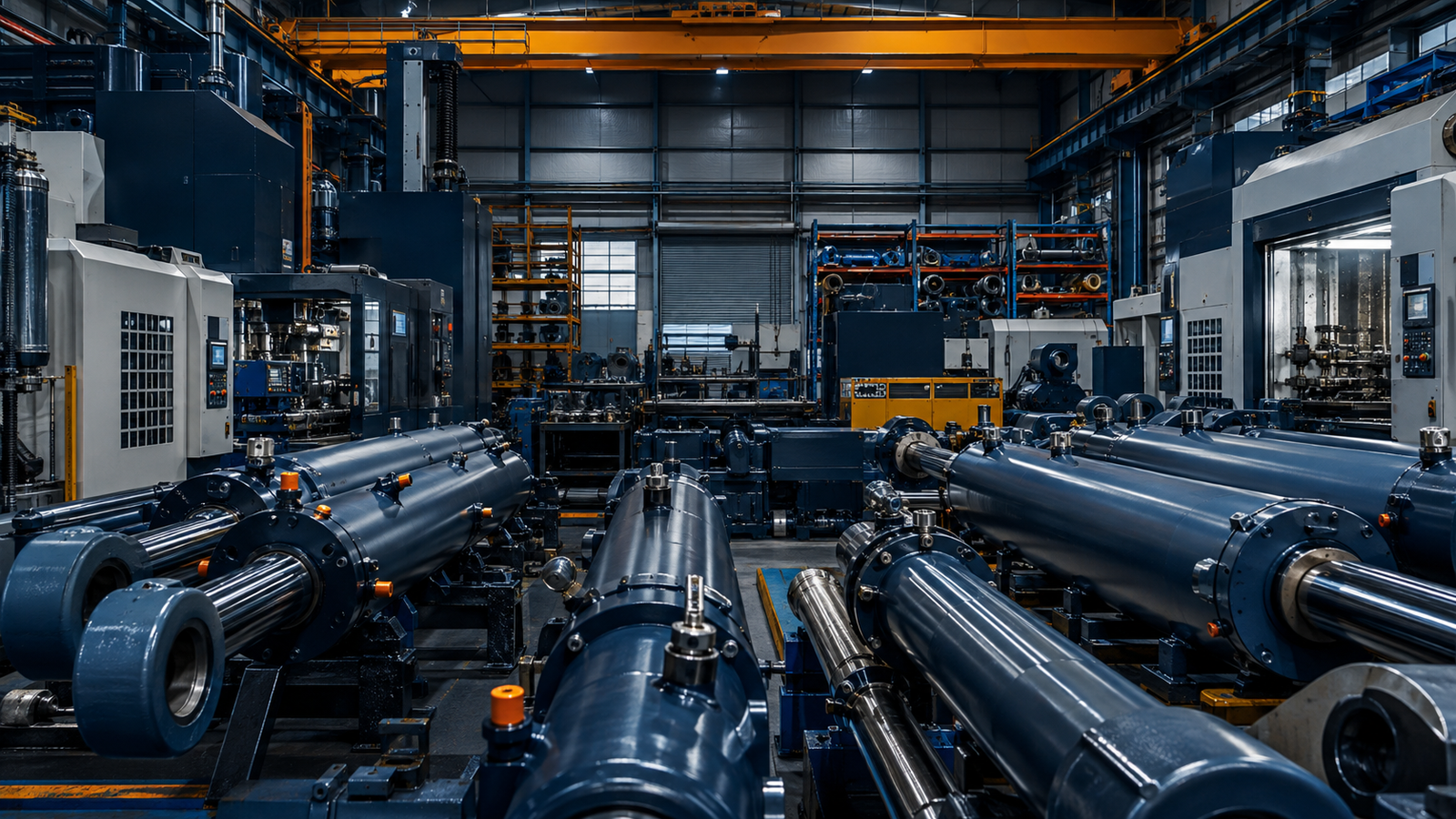
Construction Equipment
For concrete pumps, cranes, excavators and aerial platforms, review load holding, impact, long-stroke stability and limited installation envelopes.
- Key inputs: machine model, cylinder function, bore, rod, stroke and pressure
- Check: mounting geometry, port position, eccentric load and duty cycle
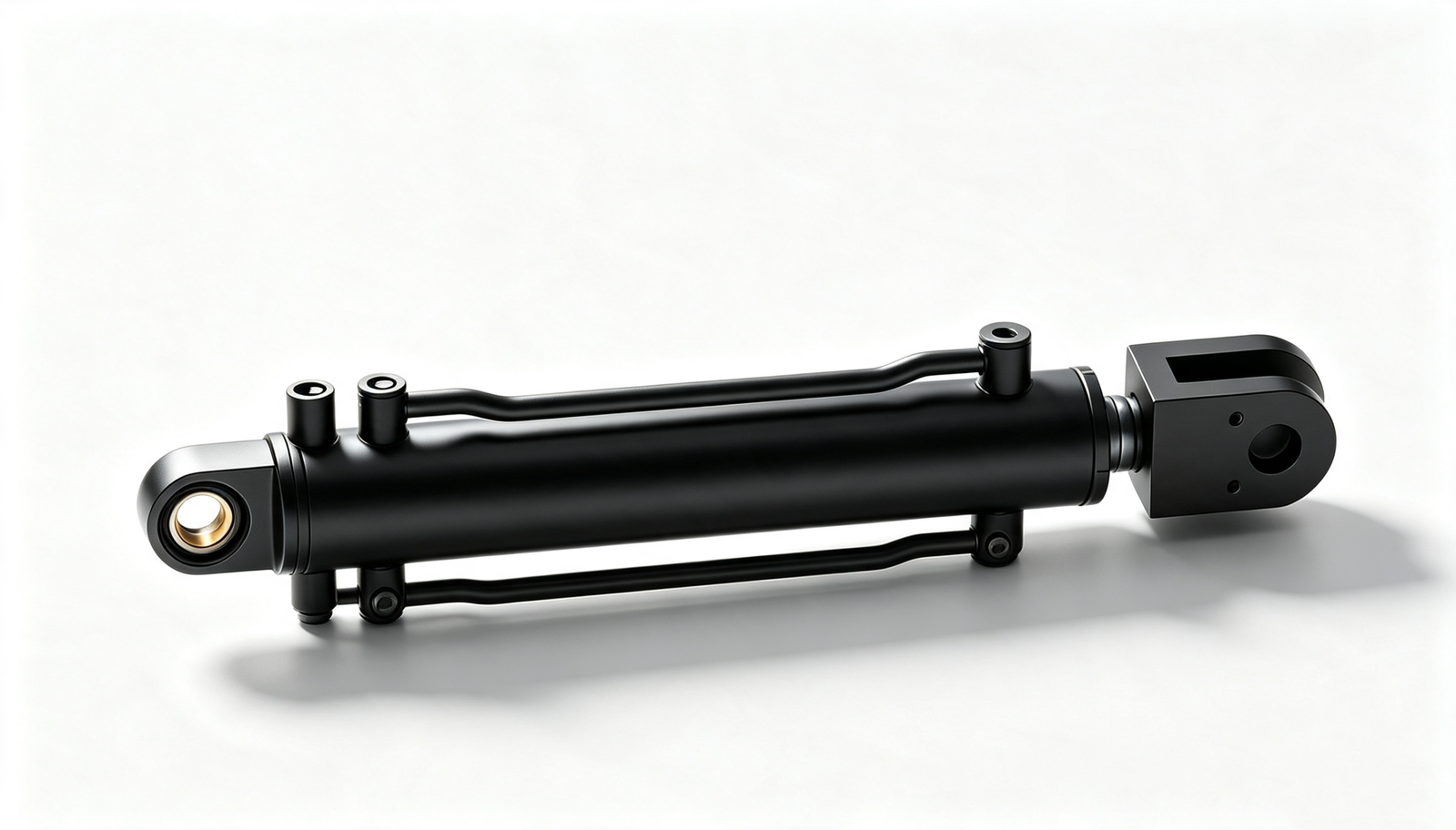
Sanitation Machinery
For garbage trucks, sweepers and compactors, evaluate repeated cycles, outdoor contamination, corrosion exposure and reliable sequencing.
- Key inputs: motion sequence, load, cycle rate, stroke and mounting
- Check: rod protection, sealing, temperature and maintenance access
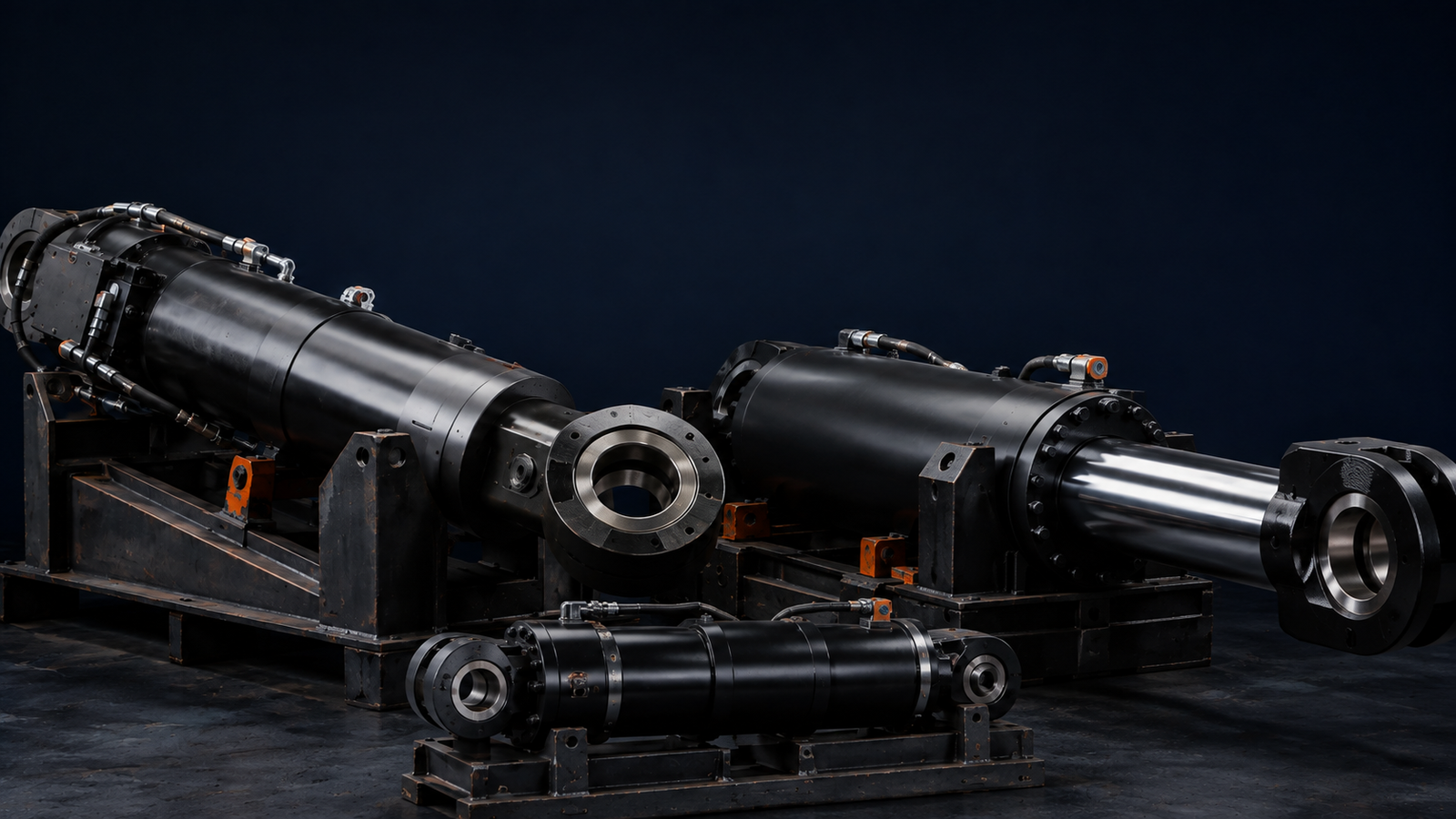
Mining Machinery
For roadheaders, roof supports and drill rigs, examine pressure, shock loading, dust exposure and demanding underground duty.
- Key inputs: required force, working pressure, load direction and stroke
- Check: contamination control, rod protection, mounting and service conditions
Agricultural Machinery
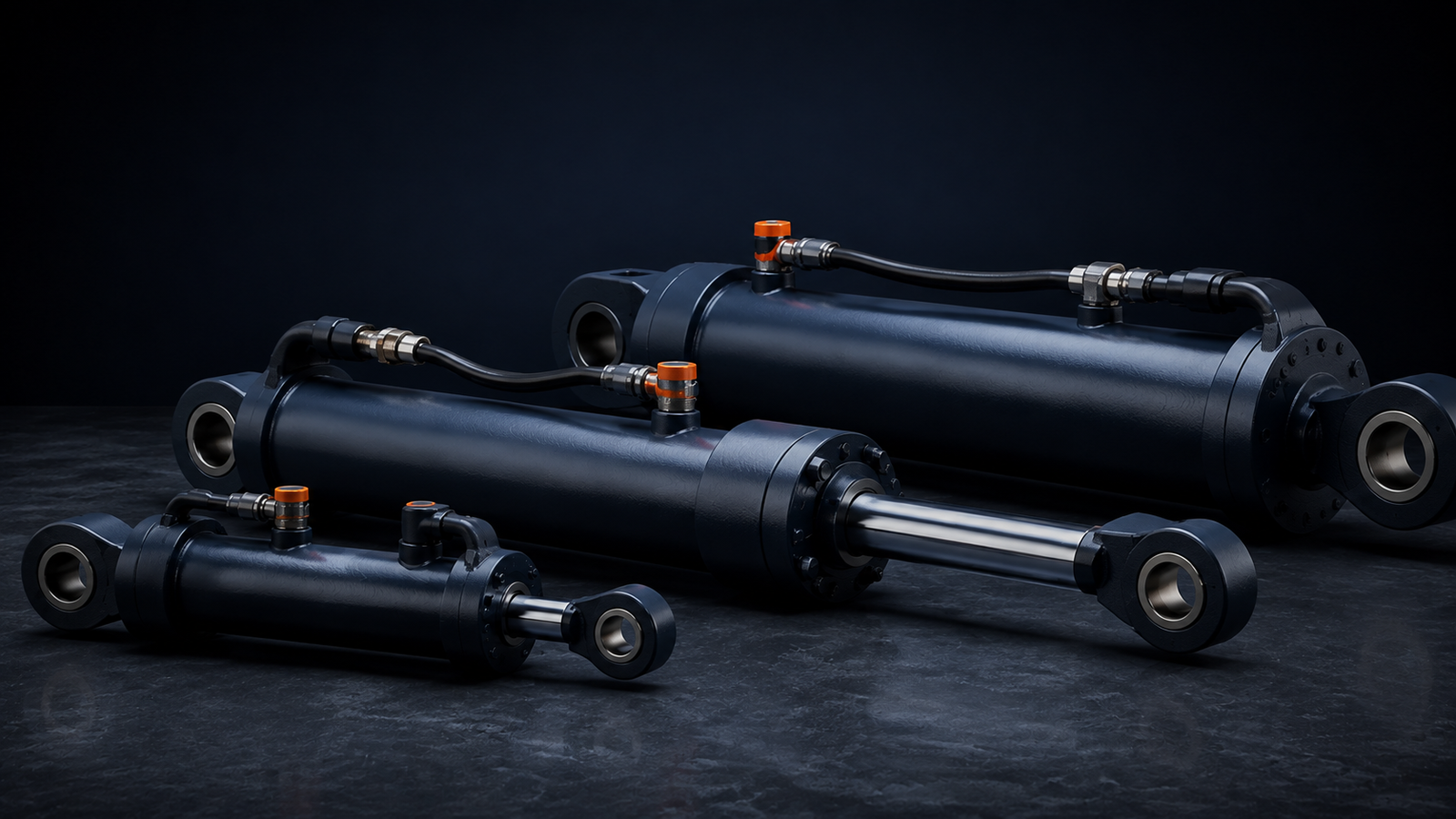
For harvesters, tractors and implements, account for field contamination, seasonal use, temperature changes and serviceability.
- Key inputs: implement function, stroke, mounting, pressure and quantity
- Check: dirt exposure, maintenance access and interchange dimensions
Lifting Platforms
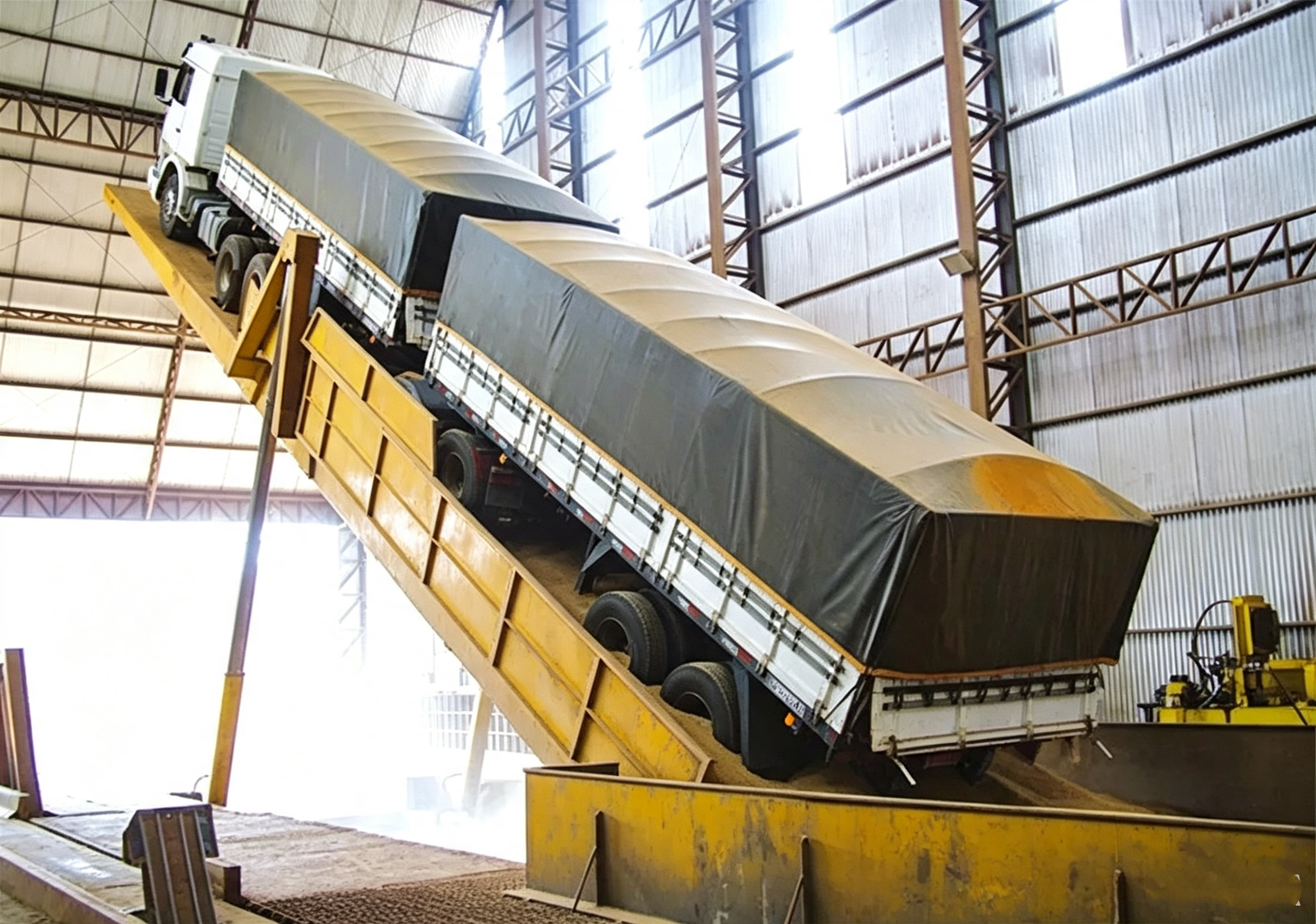
For scissor lifts, warehouse platforms and dock lifts, study lift geometry, stability, compact installation and frequent operation.
- Key inputs: platform load, lift geometry, stroke and working pressure
- Check: synchronization, load holding, mounting and lowering behavior
Logistics & Material Handling
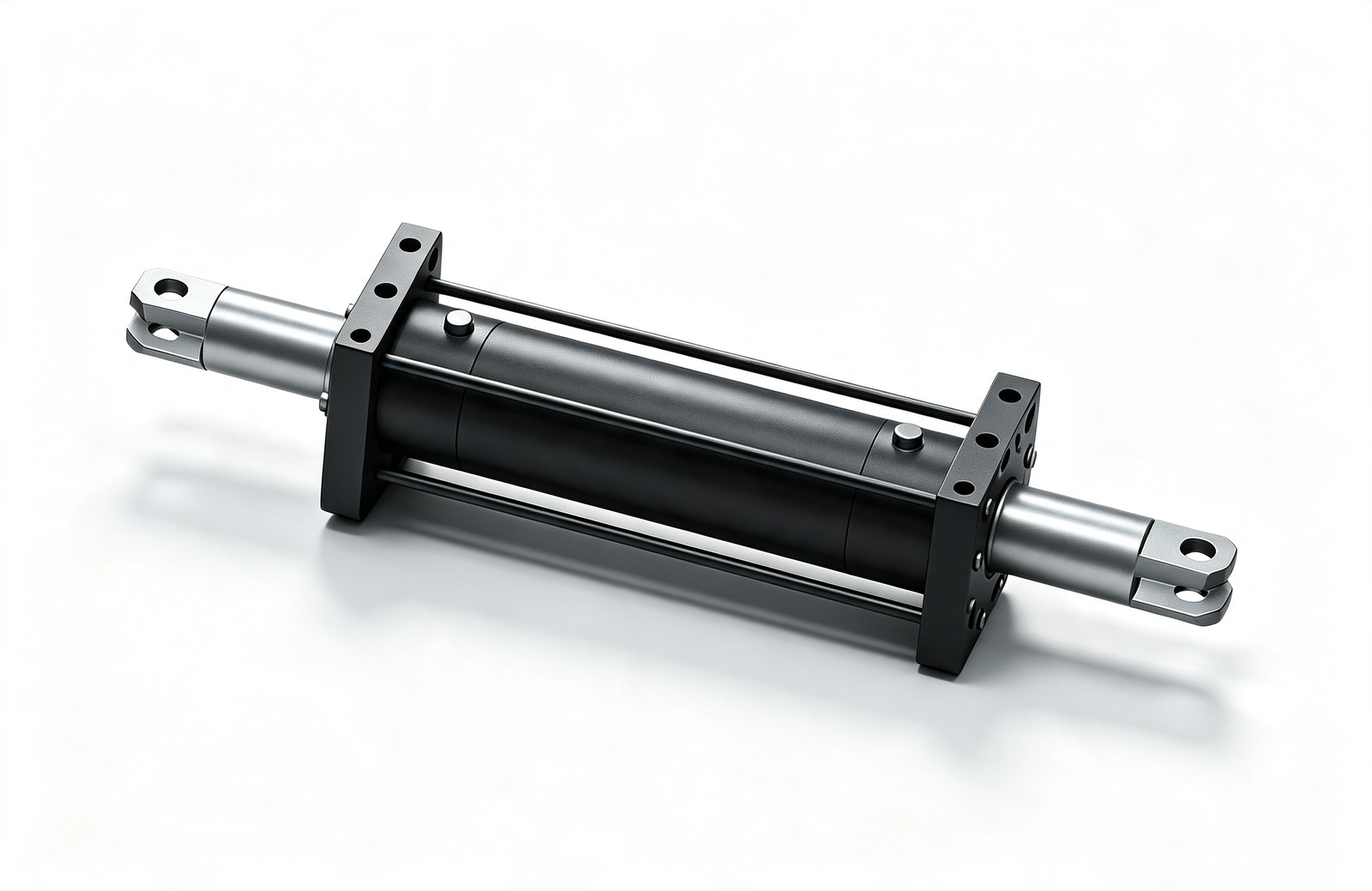
For forklifts and truck tail lifts, evaluate high-frequency lifting, compact layout, load control and service access.
- Key inputs: vehicle type, rated load, stroke, structure and cycle rate
- Check: lowering control, mounting space, sealing and maintenance
CORE ENGINEERING CHECKS
Four Checks Before Selecting a Hydraulic Cylinder
Use these relationships for preliminary review. Final values must include application-specific efficiency, safety and structural considerations.
01 · Force & Pressure
Theoretical extension force is pressure multiplied by piston area. Retraction force uses the annular area after subtracting the rod area.
Extension: F = P × πD² / 4
Retraction: F = P × π(D² − d²) / 4
02 · Stroke & Stability
Long strokes and compression loads require attention to rod diameter, unsupported length, mounting alignment and the risk of buckling or side loading.
03 · Speed & Duty Cycle
Cylinder speed depends on flow divided by effective area. Confirm required cycle time, operating frequency, cushioning needs and heat generated by repeated motion.
Speed: v = Q / A
04 · Environment & Interfaces
Specify temperature, contamination, moisture, corrosion exposure, hydraulic fluid, port type, seal requirements and access for inspection or replacement.
PRACTICAL LEARNING PATHS
Move from Basic Theory to an Application-Ready Specification
Use these three learning paths to prepare the engineering inputs normally required before product comparison, drawing review and maintenance planning.
1. Calculate Force and Size the Cylinder
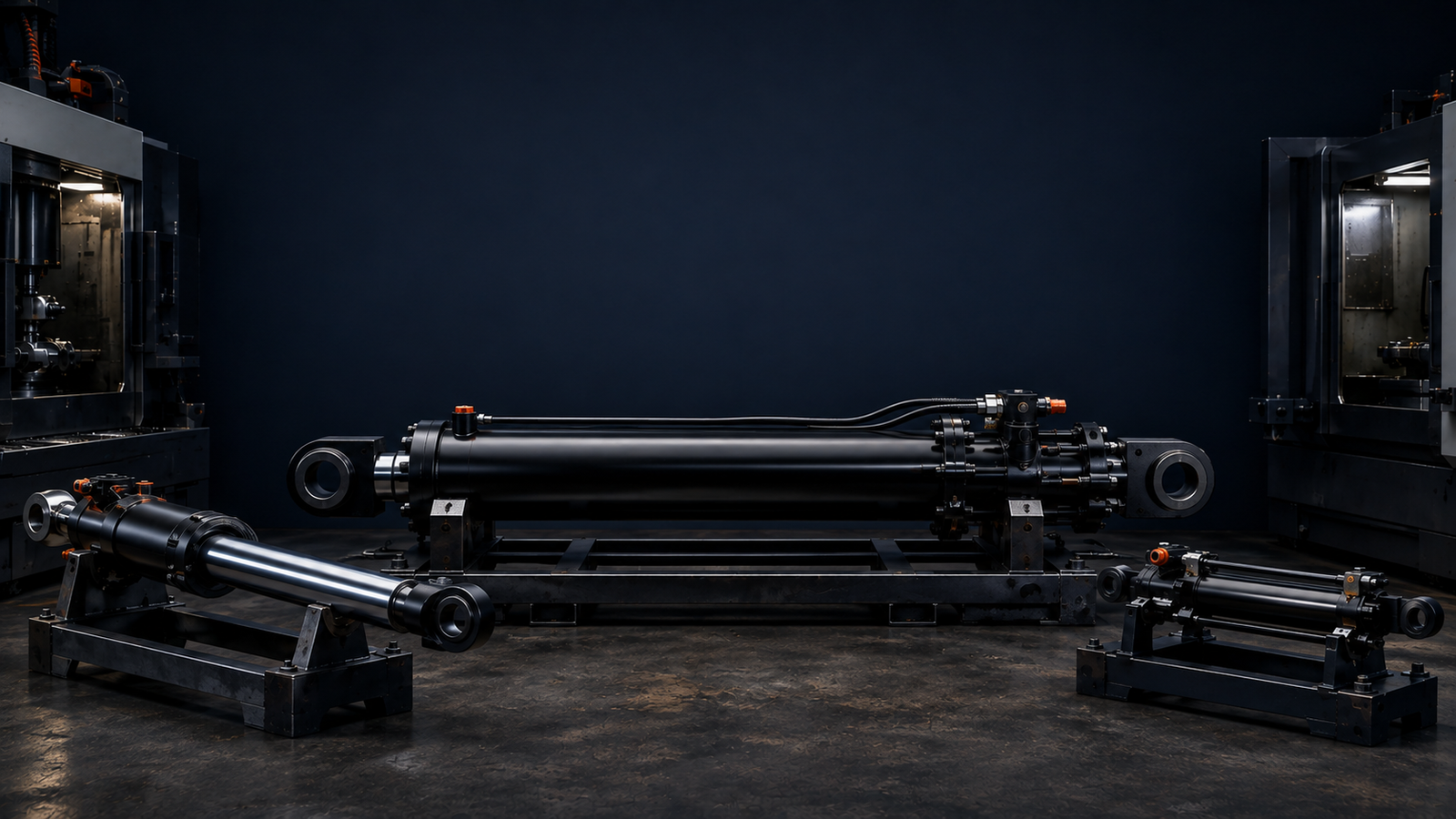
Start with load, motion direction and system pressure. Estimate piston area and bore, then check rod diameter, stroke, mounting geometry, buckling risk, flow and cycle time.
2. Match Construction to the Duty
Compare welded, tie-rod, telescopic, single-acting and double-acting arrangements against installation space, load direction, environment, service access and machine function.
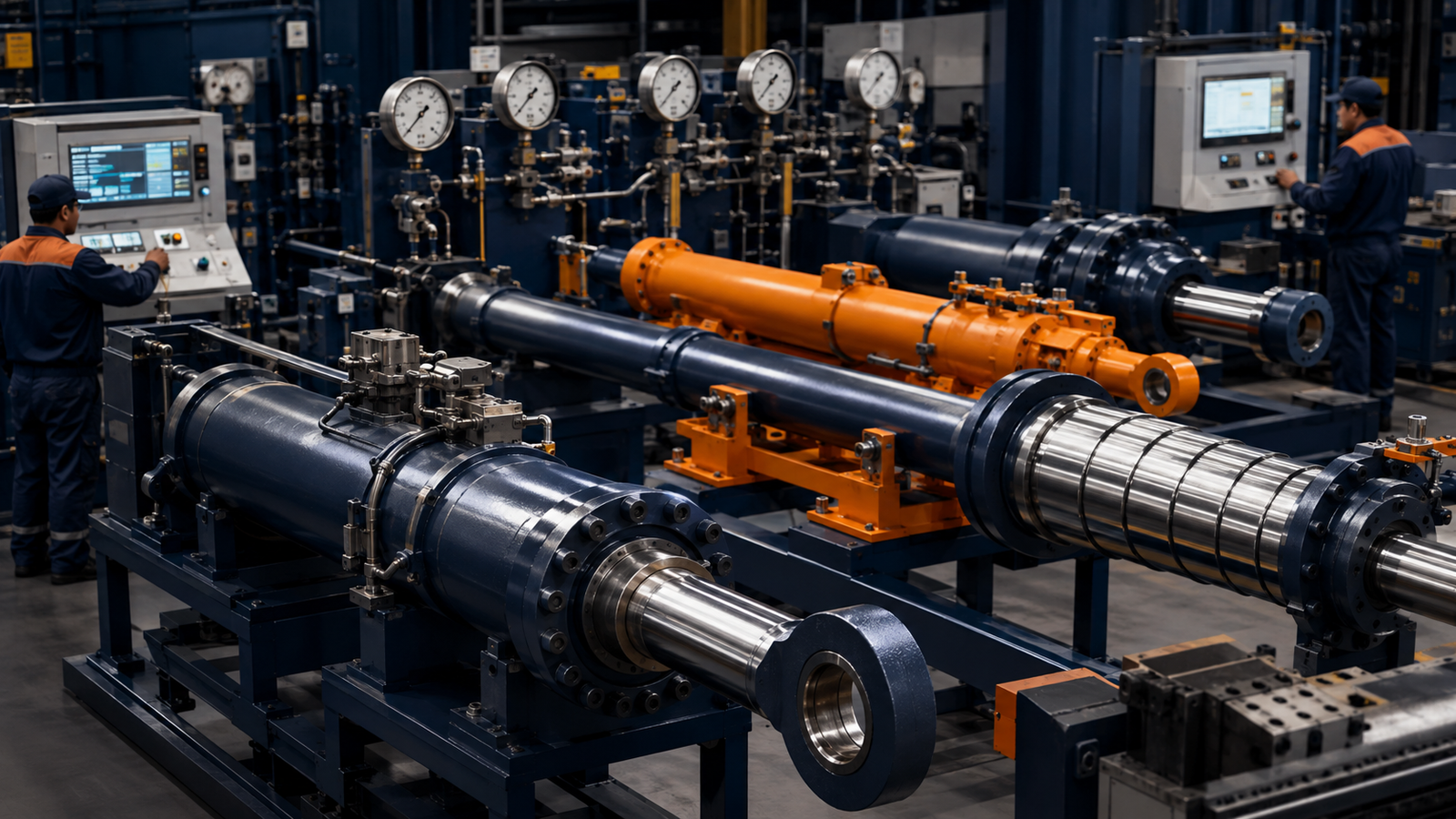
3. Plan Inspection and Maintenance
Review leakage, rod condition, barrel wear, alignment, contamination and seal compatibility before replacing components. Repeated failures usually require root-cause analysis.
APPLICATION REFERENCE LIBRARY
Technical Information from Published Products
Open a product page to review its published parameter ranges, application positions and equipment matching information.
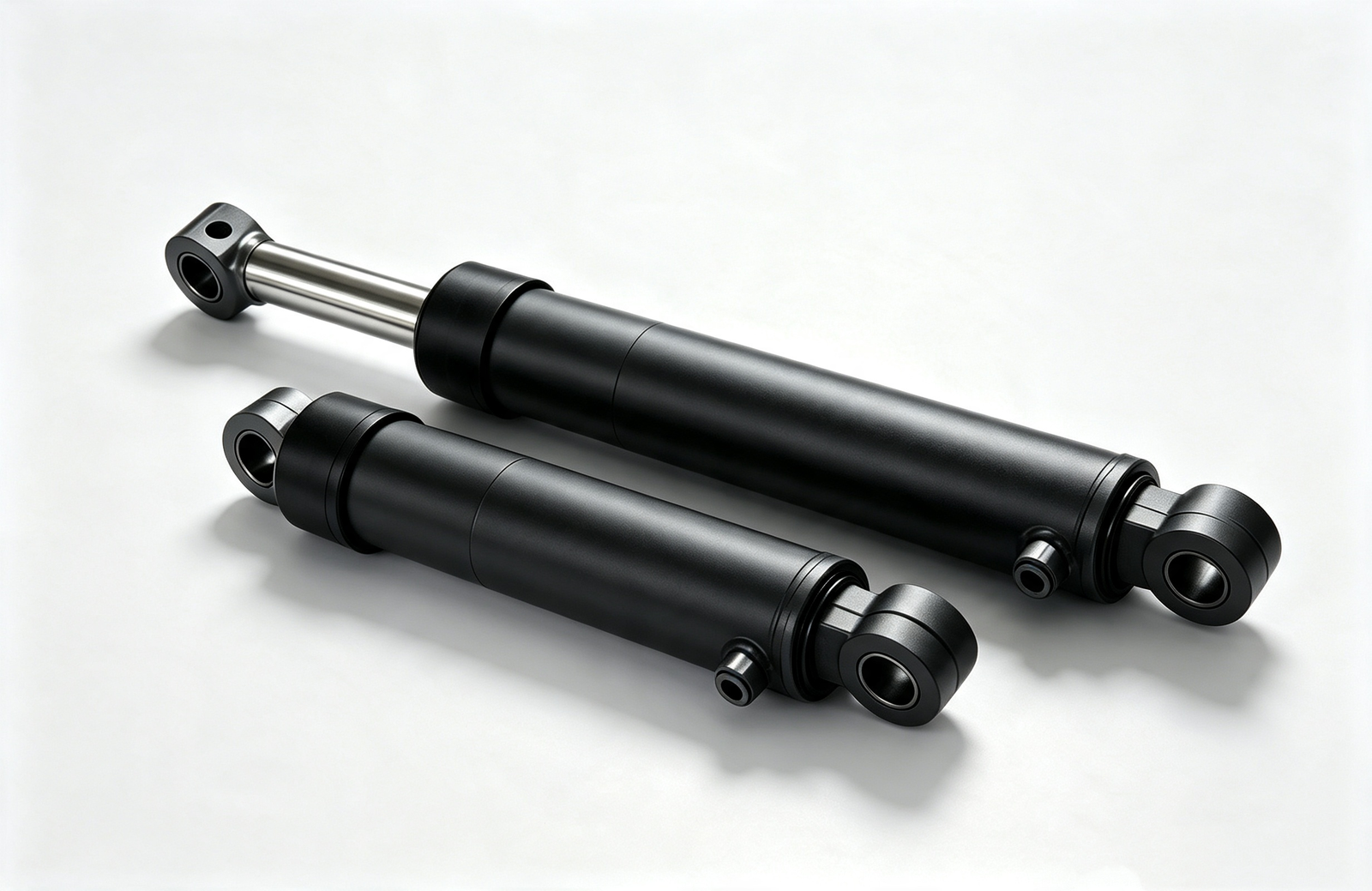
Truck Tailgate Hydraulic Cylinders
We supply heavy‑duty truck tail lift hydraulic cylinders for logistics and delivery vehicles. Our tailgate hydraulic cylinders are widely installed on cargo trucks, logistics…
Forklift Hydraulic Cylinders
We supply heavy‑duty forklift hydraulic cylinders for warehouse material‑handling equipment. Our forklift hydraulic cylinders are widely applied on electric forklifts, diesel forklifts and pallet…
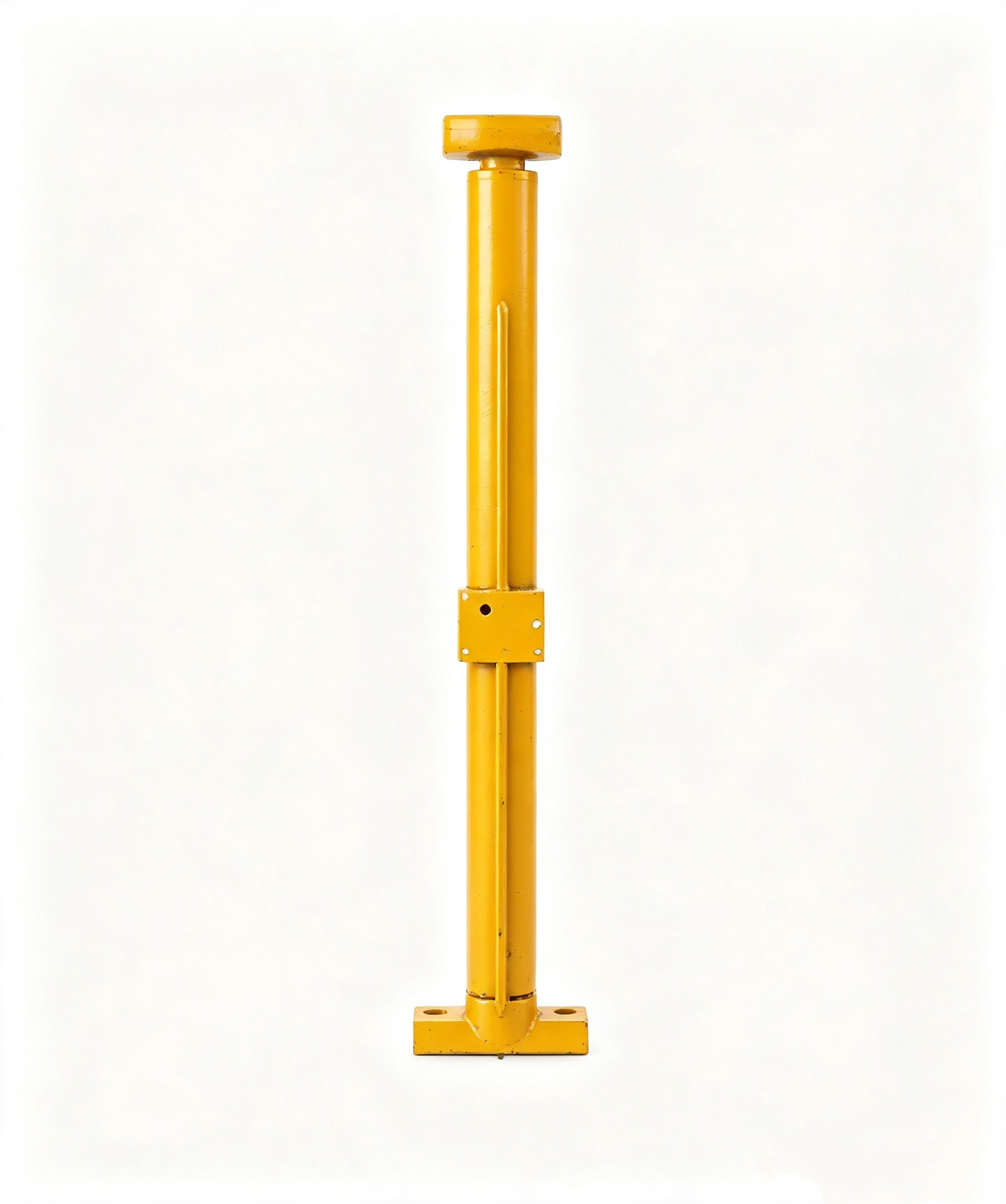
Lifting Platform Hydraulic Cylinders
We supply high‑performance lifting platform hydraulic cylinders for aerial work and material lifting equipment. Our hydraulic cylinders are widely used on scissor lifts, warehouse…
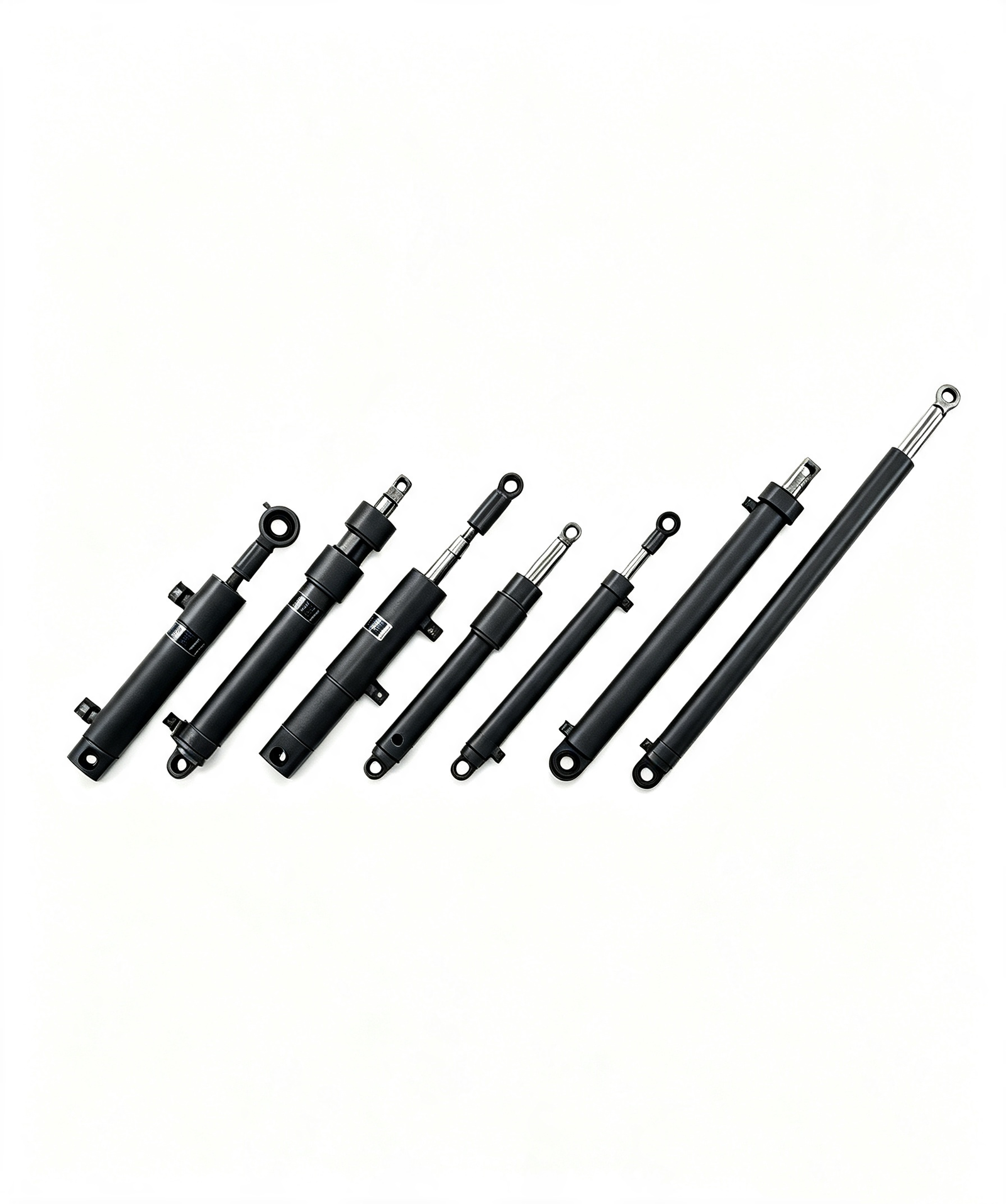
Corn Combine Harvester Hydraulic Cylinders
We supply heavy‑duty corn combine harvester hydraulic cylinders for agricultural harvesting machinery. Widely installed on corn combine harvesters for farm field working conditions. High‑strength…
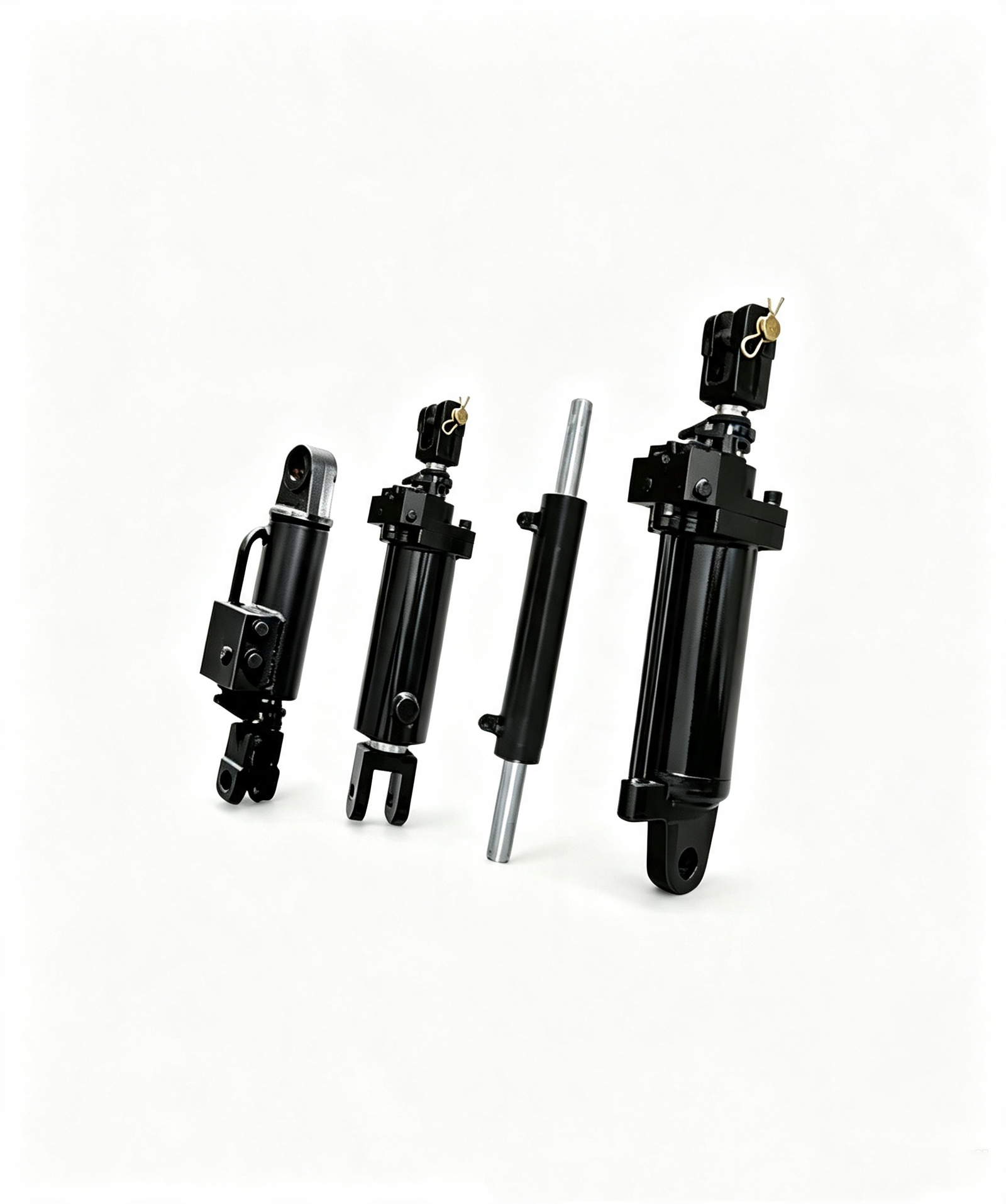
Tractor Hydraulic Cylinders
We supply heavy‑duty tractor hydraulic cylinders for farm agricultural machinery. Widely fitted on different horsepower tractors for farming, plowing and field operations. High‑strength cylinder…
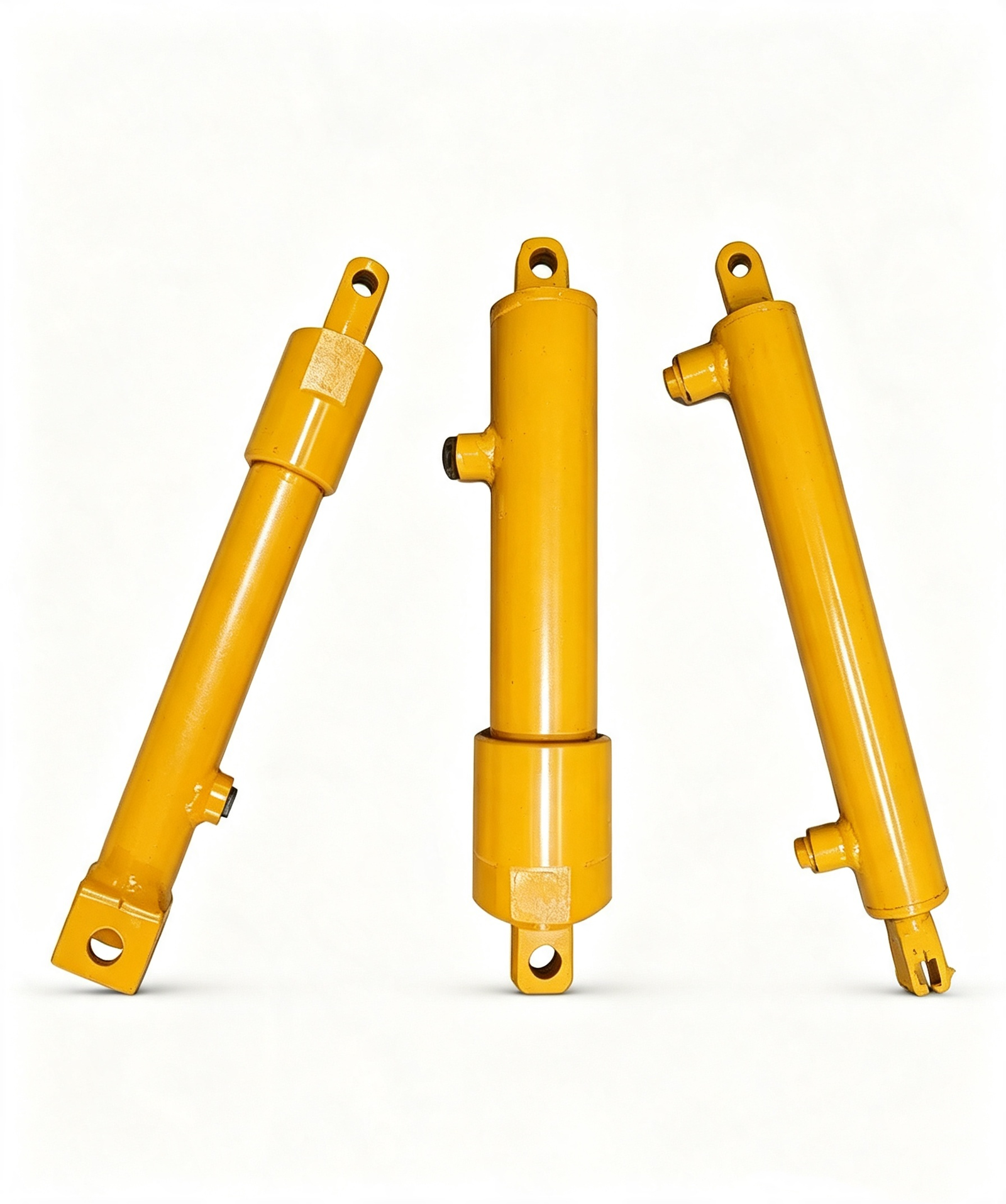
Rice Combine Harvester Hydraulic Cylinder
We supply heavy‑duty rice combine harvester hydraulic cylinders for agricultural harvesting machinery. Widely installed on rice combine harvesters for farm field working conditions. High‑strength…
ENGINEERING GUIDES
Selection, Comparison and Maintenance Articles
Use the published guides for preliminary engineering review, then compare the findings with the relevant product category.
Custom vs Standard Truck Tailgate Hydraulic Cylinders: A Lifecycle-Risk Comparison
Compare custom and standard truck tailgate hydraulic cylinders by fit, pressure, duty cycle, environment, downtime risk and total lifecycle cost.
Custom vs Standard Forklift Hydraulic Cylinders: A Lifecycle-Risk Comparison
Compare custom and standard forklift hydraulic cylinders by fit, pressure, duty cycle, environment, downtime risk and total lifecycle cost.
Custom vs Standard Lifting Platform Hydraulic Cylinders: A Lifecycle-Risk Comparison
Compare custom and standard lifting platform hydraulic cylinders by fit, pressure, duty cycle, environment, downtime risk and total lifecycle cost.
Custom vs Standard Corn Combine Harvester Hydraulic Cylinders: A Lifecycle-Risk Comparison
Compare custom and standard corn combine harvester hydraulic cylinders by fit, pressure, duty cycle, environment, downtime risk and total lifecycle cost.
Custom vs Standard Tractor Hydraulic Cylinders: A Lifecycle-Risk Comparison
Compare custom and standard tractor hydraulic cylinders by fit, pressure, duty cycle, environment, downtime risk and total lifecycle cost.
Custom vs Standard Rice Combine Harvester Hydraulic Cylinder: A Lifecycle-Risk Comparison
Compare custom and standard rice combine harvester hydraulic cylinder by fit, pressure, duty cycle, environment, downtime risk and total lifecycle cost.
TECHNICAL FAQ
Common Questions Before a Hydraulic Cylinder RFQ
What information is needed to size a hydraulic cylinder?
Provide the required push and pull force, system working and peak pressure, stroke, available installation length, mounting geometry, target speed, duty cycle and operating environment. A machine drawing or existing-cylinder drawing helps confirm interfaces.
How do welded and tie-rod cylinders differ?
Welded cylinders generally provide a compact external envelope and flexible mounting arrangements. Tie-rod cylinders are often selected where standardized construction and service access are priorities. The correct choice depends on pressure, space, duty and maintenance strategy.
Why can hydraulic cylinder seals fail repeatedly?
Seal wear may be a symptom rather than the root cause. Check rod scoring, barrel wear, side loading, misalignment, contamination, pressure spikes, temperature and fluid compatibility before returning the cylinder to service.
What should be checked when replacing an existing cylinder?
Confirm pin-to-pin dimensions, bore, rod diameter, stroke, mounting type, port standard and position, retracted and extended length, pressure, load direction and clearance around the machine. Include photos and the original model reference where available.
Turn Technical Inputs into a Quotable Specification
If you have a machine model, drawing or existing cylinder dimensions, use the OEM / ODM workflow to organize the information before submitting an inquiry.
 English
  Russian
  Spanish
  Arabic
  French
  Portuguese
  Vietnamese