How to Replace a Hydraulic Cylinder: OEM Fit and Installation Checklist
Replace a hydraulic cylinder by matching geometry, pressure, mounts, ports and duty—not by bore and stroke alone—and validate alignment before loading.
أساسيات وأدلة مقارنة لمشتري الأسطوانات الهيدروليكية.
Replace a hydraulic cylinder by matching geometry, pressure, mounts, ports and duty—not by bore and stroke alone—and validate alignment before loading.
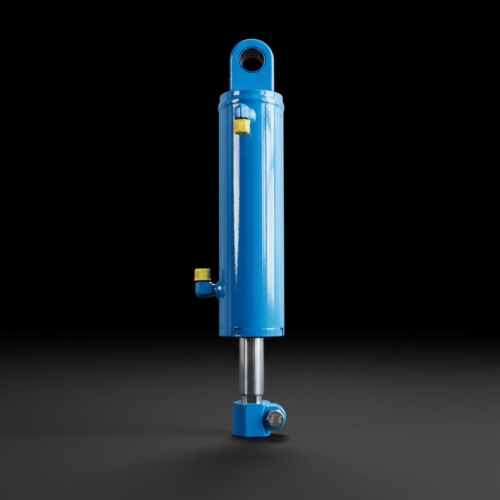
Understand the barrel, piston, rod, gland, seals, bearings, ports, mounts, retainers, cushions, and sensors inside a hydraulic cylinder.
Compare single-acting, double-acting, telescopic, tie-rod, welded, mill-duty, plunger, double-rod, tandem, and rephasing cylinders.
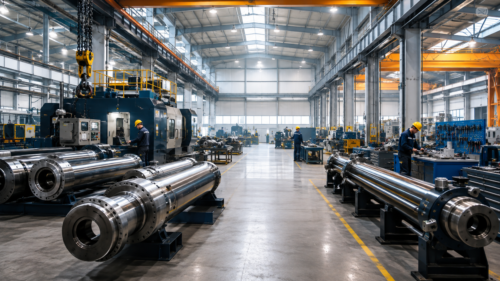
Hydraulic cylinder rods are commonly made from carbon or alloy steel with a controlled surface finish; material and coating depend on duty and corrosion exposure.
A hydraulic cylinder converts fluid pressure into controlled linear force and motion. Learn how it works, what it contains, and where it is used.
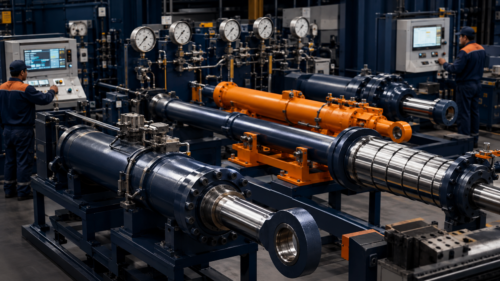
Pressure-test a hydraulic cylinder only in a rated guarded test setup with calibrated instruments, compatible clean fluid, secure restraint and a documented test pressure, hold time and acceptance criterion. Keep personnel outside the line of fire and never use compressed gas as a casual substitute.
A single-acting hydraulic cylinder normally uses one working line for pressurized oil while gravity, a spring or an external load provides return motion. Connect the working port to the correct valve, maintain a clean vent or return arrangement where specified, and protect the load against uncontrolled movement.
Automatic hydraulic cylinder cycling requires a defined control sequence, position confirmation, directional valve logic, safe speed and load control, plus fault handling that stops motion when a sensor, valve or pressure condition is abnormal. A timer alone is not adequate for every machine.
Install a hydraulic cylinder by securing the machine, confirming the replacement interfaces, aligning mounts without forcing the pins, connecting clean rated hoses and commissioning at low energy. Correct alignment and freedom of motion are essential to prevent rod, bearing and seal damage.
To hook up a hydraulic cylinder, identify the cylinder type and each port from the schematic, select correctly rated clean hoses and fittings, route lines without twist or abrasion, and connect pressure and return paths before controlled commissioning. Never identify a port by appearance alone.
 English English
 Russian
 Spanish
 Arabic
 French
 Portuguese
 Vietnamese